Avoiding Diabetic Vision Loss at Marietta Eye Clinic
November 2, 2021
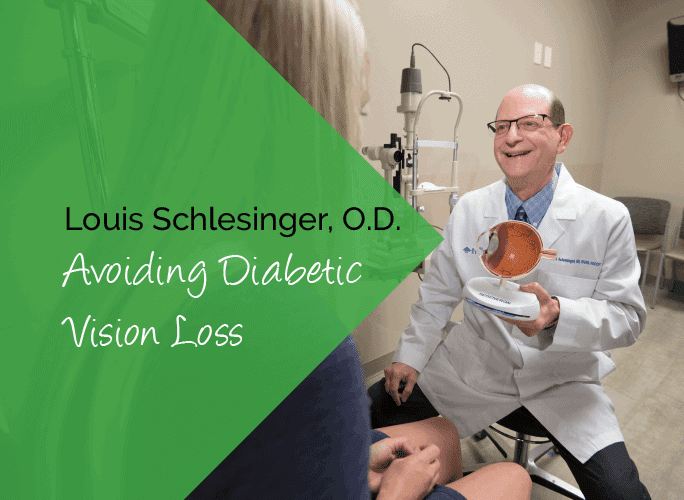
Diabetes is becoming increasingly prevalent. According to the Centers for Disease Control and Prevention (CDC), more than 30 million adults in the United States are living with diabetes. In addition to affecting blood sugar levels, diabetes can have devastating effects on your body, including your eyes. Therefore, it is important for anyone who currently has diabetes or may be at risk of developing diabetes to monitor their body for signs of damage and have regular comprehensive eye exams. Catching vision problems related to diabetes could mean the difference between going blind and maintaining your vision.
How Diabetes Affects Your Eyes
Diabetes is a disease that interrupts the body’s ability to produce or use insulin effectively to control blood sugar (glucose) levels. When your blood sugar levels rise, the cells in your body are unable to use sugar in the body as energy. When this happens, many automatic processes in the body can be disrupted.
When blood sugar levels are elevated for prolonged periods of time, blood flow can be restricted. This can lead to damaged blood vessels, which can cause heart problems, kidney problems, poor circulation, or even vision loss.
Eye Diseases Caused by Diabetes
Diabetic eye disease is a blanket term for specific diabetes-related eye diseases. Both type 1 and type 2 diabetes increase the risk of many eye conditions.
The eye diseases most associated with diabetes are:
- Diabetic retinopathy — Diabetic retinopathy occurs when blood vessels in the retina swell, leak, or close. New blood vessels may also grow on the surface of the retina. Risk of diabetic retinopathy increases the longer a person lives with diabetes.
- Diabetic macular edema — Diabetic macular edema occurs when fluid builds up in the retina, causing swelling and blurry vision. This condition can lead to permanent vision loss.
- Cataracts — A cataract is a clouding of the natural lens in the eye that causes many types of vision disturbances including double vision and poor night vision. The excess blood sugar from diabetes can speed up the progression of cataracts.
- Glaucoma — Glaucoma is a group of diseases that cause damage to the optic nerve, which carries signals from the eye to the brain. The risk of developing glaucoma doubles with diabetes.
How Can You Prevent Vision Loss?
The most important factor in preventing vision loss due to diabetes is early detection. The CDC reports that 90% of vision loss due to diabetes can be prevented — if the condition is treated before irreparable damage occurs. Regular comprehensive eye exams are integral to catching diabetes-related eye disease.
During a comprehensive eye exam, an optometrist or ophthalmologist can look inside your eye using a variety of diagnostic methods to check for signs of damage that would otherwise go unnoticed.
According to the American Diabetes Association, 1 in 5 people with type 2 diabetes already has a diabetes-related eye disease by the time they are diagnosed. Keeping this in mind, it is important not to put off having an initial comprehensive eye exam and scheduling exams regularly thereafter.
General Guidelines for Living with Diabetes
Those with diabetes should follow the instructions of their eye care provider. The American Academy of Ophthalmology has some general guidelines.
- If you have type 1 diabetes, you should begin having annual screenings for diabetic retinopathy 5 years after your diabetes diagnosis.
- If you have type 2 diabetes, you should have a prompt examination at the time of diagnosis and at least yearly examinations thereafter.
- Women who develop gestational diabetes do not require an eye examination during pregnancy and do not appear to be at increased risk of developing diabetic retinopathy during pregnancy. However, patients with diabetes who become pregnant should be examined early during pregnancy.
Maintaining near-normal glucose levels and near-normal blood pressure lowers the risk of diabetic eye disease developing and progressing. It is strongly recommended that you make every effort to maintain healthy glycosylated hemoglobin (A1C) levels, serum lipids, and blood pressure.
More about Optometrist, Dr. Louis Schlesinger, O.D., F.A.C.O.P., F.A.A.O., F.S.L.S.
As a former Major in the U.S. Air Force, Dr. Schlesinger attended optometry school on one of 13 Air Force scholarships. He received his Bachelor of Science Degree in Zoology from Louisiana State University with an emphasis on anatomy and physiology. Dr. Schlesinger then went on to obtain his Doctorate in Optometry from The Southern College of Optometry in Tennessee. Read more about Dr. Schlesinger here.
References and Additional Resources
The American Academy of Ophthalmology (AAO) is the world’s largest association of eye physicians and surgeons. It describes itself as a “global community of 32,000 medical doctors who protect sight and empower lives by setting the standards for ophthalmic education and advocating for our patients and the public.” Its website is a great resource to learn more about how to care for your eyes.
The American Optometric Association (AOA) describes itself as the leading authority on quality care and an advocate for our nation’s health, representing more than 44,000 Doctors of Optometry (O.D.), optometric professionals, and optometry students.
Diabetic Eye Disease
https://www.aao.org/eye-health/diseases/diabetic-eye-disease
New CDC report: More than 100 million Americans have diabetes or prediabetes
https://www.cdc.gov/media/releases/2017/p0718-diabetes-report.html
Screening for Diabetic Retinopathy
https://www.aao.org/clinical-statement/screening-diabetic-retinopathy
Diabetic Retinopathy PPP 2019
https://www.aao.org/preferred-practice-pattern/diabetic-retinopathy-ppp
Contact Us
Ready to have a conversation about improving your eyesight? At Marietta Eye Clinic, we’re dedicated to delivering comprehensive eye care combined with exceptional customer service. Let’s get started.