A Visit to Your Eye Doctor Could Save Your Vision
January 27, 2022
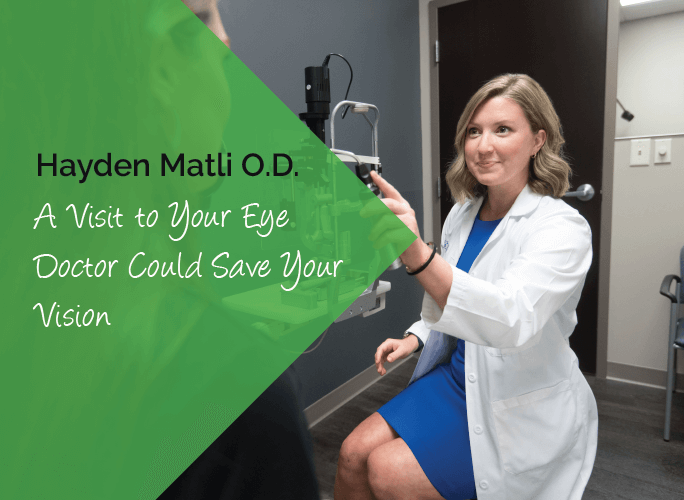
According to the Centers for Disease Control and Prevention (CDC), 30.3 million Americans, or 9.4% of the population, are living with diabetes. An additional 84.1 million have prediabetes, which if left untreated, can lead to type 2 diabetes. Nearly 1 in 4 adults with diabetes do not even know they have it, but diabetes is the leading cause of blindness for adults ages 20-74 in the United States. However, the CDC also states that, if caught early, around 90% of diabetes-related vision loss can be prevented.
What is Diabetic Retinopathy?
Diabetic retinopathy is a disease of the retina found in patients with type 1 or type 2 diabetes. High glucose levels (or blood sugar) can damage blood vessels in the eye, and this damage can cause partial or complete vision loss.
There are two stages of diabetic retinopathy:
- Non-proliferative diabetic retinopathy (NPDR): In the earlier stage of diabetic retinopathy, blood vessels in the eye close off, known as macular ischemia, or leak, known as macula edema.
- Proliferative diabetic retinopathy (PDR): In more advanced diabetic retinopathy, the retina begins to grow new blood vessels. These fragile new blood vessels can burst and bleed. Additionally, scar tissue can cause other problems with the macula or retinal detachment.
What are the Signs of Diabetic Retinopathy?
Often, people with diabetic retinopathy don’t notice symptoms in the early stages or don’t take them seriously. There are no outwardly visible symptoms of diabetic retinopathy because the damage occurs in the back of the eye.
These are the most common symptoms to watch for:
- Blurry vision
- Seeing more floaters than usual
- Vision that sometimes changes suddenly from blurry to clear
- Dark areas in your field of vision
- Poor night vision
- Faded-looking or washed-out color vision
Vision loss from diabetic retinopathy is in many cases irreversible, so it’s better to prevent it entirely or treat it early.
Prevention and Treatment
The first step in preventing diabetic retinopathy is maintaining healthy blood sugar levels and blood pressure. Some patients with diabetic retinopathy who take steps to control their blood sugar may notice a slight improvement in their vision. However, in some cases, controlling your blood sugar is not enough and treatment may be required.
Treatments recommended may include:
- Steroid medication – Steroid injections can be used to reduce macular swelling.
- Anti-VEGF medication, such as Avastin, Eylea, or Lucentis – Anti-VEGF injections can reduce swelling of the macula, which can slow vision loss and potentially improve vision.
- Laser surgery – Laser surgery can be used to seal off leaking blood vessels, preventing floaters or total visual blockage and preventing macular swelling. Laser surgery can also shrink malformed blood vessels and prevent regrowth.
- Vitrectomy – A vitrectomy is a surgical procedure recommended for advanced stages of diabetic retinopathy in which vitreous gel and blood that is leaking from blood vessels in the eye is removed. Scar tissue may also be removed.
Protect Yourself from Diabetic Retinopathy
Controlling blood sugar is important for all patients living with diabetes. However, a study found that healthy glycemic control is not enough to prevent diabetic retinopathy in all cases. The only guarantee of preventing vision loss from diabetic retinopathy is to have yearly comprehensive eye exams. In a dilated eye exam, an eye doctor can see inside your eye and look for signs of damaged blood vessels or swelling in the retina. Catching these signs early allows you to act before vision loss occurs. The best way to maintain your vision is through preventative care.

More About Hayden Matli, O.D.
Dr. Matli is a primary care optometrist at the Marietta Eye Clinic who also specializes in ocular diseases and offers ocular surgery co-management. She serves the Kennestone, Towne Lake, Windy Hill, and Paulding locations. She earned her Doctor of Optometry from the University of the Incarnate Word Rosenberg School of Optometry, in San Antonio, Tx. She then completed a residency in Ocular Disease and Ocular and Refractive Surgery at the Eye Center of Texas in Houston, Tx. Read her full bio here.
References and Additional Resources
The American Academy of Ophthalmology (AAO) is the world’s largest association of eye physicians and surgeons. It describes itself as a “global community of 32,000 medical doctors who protect sight and empower lives by setting the standards for ophthalmic education and advocating for our patients and the public.” Its website is a great resource to learn more about how to care for your eyes.
The American Optometric Association (AOA) describes itself as the leading authority on quality care and an advocate for our nation’s health, representing more than 44,000 Doctors of Optometry (O.D.), optometric professionals, and optometry students.
Diabetic Retinopathy
https://eyewiki.org/Diabetic_Retinopathy
Annual Eye Exams Can Save Sight for People with Diabetes
https://www.aao.org/eye-health/news/annual-exams-save-sight-diabetes
What is Diabetic Retinopathy?
https://www.aao.org/eye-health/diseases/what-is-diabetic-retinopathy
New CDC report: More than 100 million Americans have diabetes or prediabetes
https://www.cdc.gov/media/releases/2017/p0718-diabetes-report.html
Schedule Your Appointment Online
You can schedule your routine eye exam online! This self-scheduling opportunity will enable a fast, flexible, and efficient check-in process for patients.