Glaucoma Specialists
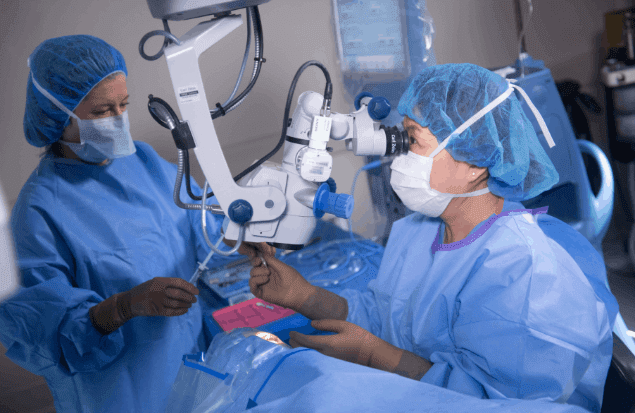
Shunai Jiang, M.D. - Glaucoma Specialist
Glaucoma: Serious and Prevalent
Glaucoma is a disease that can cause vision loss, often without warning or symptoms. Glaucoma is the second leading cause of blindness in the U.S. and the leading cause of preventable blindness. This disease can occur at any time but becomes increasingly more prevalent with age.
Our board-certified, fellowship-trained glaucoma doctors provide expert diagnosis and the latest in techniques and technology to treat glaucoma. Our doctors listen carefully to your concerns and will provide you with a plan customized to your unique symptoms and needs.
Glaucoma Self-Evaluation
Glaucoma is a very serious condition with life long implications if left untreated. Our fellowship-trained, glaucoma specialists are ready to help you diagnose if you have glaucoma and provide a treatment plan using the latest in scientific breakthroughs and technology.
Take EvaluationThere are many types of glaucoma but they all have one thing in common, damage to the optic nerve. Because glaucoma can be difficult to detect, we highly recommend early screening.
Learn MoreTreatment varies depending on the severity of the glaucoma. Our specialists can help you determine the best course of treatment for your condition. Speak to a glaucoma specialist today: 770-427-8111.
Learn MoreGlaucoma VS. Cataracts
Glaucoma and cataracts are both eye conditions that affect older individuals. Glaucoma typically affects individuals who are over the age of 60. Although African Americans can develop the disease after the age of forty. Cataracts typically affect people who are over the age of 60, but they can start developing in individuals who are over the age of 40. If you’re not sure if you have glaucoma or cataracts, our glaucoma specialists can examine your eyes to determine if you have an eye health problem.
Cataracts
Cataracts are cloudy spots that develop on the lens of the eye. This can result in blurry or hazy vision, and it can result in a dimming of colors. The only treatment to correct this condition is cataract surgery.
Glaucoma
Glaucoma occurs when the pressure in the eye is elevated. This puts pressure on the optic nerve and can result in blindness if it is left untreated. Symptoms of glaucoma include excruciating eye pain, nausea, blurry vision and red eye. It’s recommended that if you are having intense eye pain, you should go to your local emergency room.
Types of Glaucoma
There are two types of glaucoma, including open-angle glaucoma and angular-closure glaucoma. These types of glaucoma get their name from the narrow angle in the eye, which is the area where the aqueous humor drains. If you’re worried about glaucoma, getting regular dilated eye exams is the best course of action. It’s important to note that there are no direct causes of glaucoma other than an increase in eye pressure. However, if you have a family history of glaucoma, you are at an increased risk of developing the condition.
- Open-Angle Glaucoma– Open-Angle Glaucoma occurs more frequently than angular-closure glaucoma and is characterized by the fluid in the eye not draining properly. As the fluid drainage slows, the pressure builds up in the eye and damages the optic nerve. Symptoms of this type of glaucoma include blind spots or patchiness in your vision and loss of peripheral vision.
- Angular-Closure Glaucoma– Angular-Closure Glaucoma is less common but more serious. This type of glaucoma occurs when the iris blocks the flow of drainage from the angle. This typically occurs in individuals where their iris and cornea are so close together that the angle gets blocked. The symptoms of this type of glaucoma include extreme eye pain, headaches, nausea, vomiting, blurry vision and eye redness. Individuals should seek immediate medical treatment if these symptoms suddenly appear.
Glaucoma Treatment Solutions
The good news is that there are several treatment options for individuals with glaucoma that can help preserve vision.
Medicine
The first choice in treating glaucoma is often the use of medicines. These are usually eye drops that you place in your eyes a certain number of times each day. These medicines work by either lowering the amount of fluid your eyes produce or by helping your eye drain fluid. Our glaucoma doctors at Marietta Eye Clinic in Georgia can explain the medicines to you and how they work.
Laser Treatment
If the medicines don’t lower your eye pressure enough, our eye doctor may recommend laser treatment. The laser treatment helps improve the drainage from your narrow angle. After the surgery, you may experience eye irritation and redness, but that usually dissipates after a day. Since your vision may be blurry, it’s a good idea to bring someone with you who can drive you home.
Eye Surgery
Eye surgery is usually a treatment of last resort after all other treatments have been tried. Types of glaucoma surgery include trabeculectomy and glaucoma implant surgery.
Trabeculectomy
Trabeculectomy eye surgery involves creating a new very tiny opening in the top of your eye. It’s important to note that this opening isn’t noticeable as it’s usually located under your upper eyelid. This surgery is usually done on an outpatient basis, like at our Marietta Eye Surgery Center, and you can expect it to take about an hour. After the surgery, you should have someone drive you home.
Glaucoma Implant Surgery
Glaucoma implant surgery involves placing a small tube inside the white part of your eye. This is often referred to as a shunt, and it helps drain the fluid in your eye.
If you have glaucoma, there are treatments available that can help lower the pressure in your eye and preserve the health of your optic nerve. Doctors at our Marietta Eye Clinic glaucoma center can explain all your options to you and recommend the best choice for your symptoms. Schedule an appointment here.
Glaucoma Specialists Videos
Symptoms and Treatment of Glaucoma
The board certified and fellowship trained glaucoma doctors at Marietta Eye Clinic provide expert care for this serious disease. Learn in this video about the symptoms, causes, types, and treatment options for glaucoma.
Atlanta's Premier Eye Surgery Center
Learn why surgery at Marietta Eye Clinic's outpatient surgery center is a wise decision.
Glaucoma Info
