

Cataract Surgery Center
Cataract Patient Education Guide
When it comes to your health, knowledge is power. We have created an interactive guide to help you understand cataract evaluation and treatment options. This booklet includes videos, patient testimonials, interactive forms, and common FAQs to help you through the process of understanding your options for correcting your vision. We hope the interactive guide will help clear up some of your questions about cataracts and the available treatment options.
.tmb-0.jpg?Culture=en&sfvrsn=1f8e79cf_1)
Cataract Self-Evaluation
Envision your world in a whole new light. You do not have to accept poor vision as you grow older. If your vision has declined over the years due to cataracts, your treatment options are better than ever before. Your vision affects your outlook on life. With greater clarity comes greater ability to pursue your passions. The talented surgeons and dedicated staff of Marietta Eye Clinic live this mantra daily. Using state-of-the-art technology, we can help you decide if cataract surgery is right for you now—or later.
-
What Happens During a Cataract Consultation
Cataract consultations consist of a series of tests and examinations to determine the presence and severity of cataracts. You will meet with a board-certified ophthalmologist to discuss your diagnosis and treatment options -
Learn if You are Ready for Cataract Surgery
Using modern, safe surgical techniques cataract surgery has become one of the most commonly performed procedures. Cataract surgery is performed on an outpatient basis and patients are back home the same day. -
What to Expect After Cataract Surgery
Recovery from cataract surgery is generally very quick, with most patients achieving noticeably better vision within the first 24 hours of the procedure.
All Cataract Center Services
More about Cataract Surgery
Are you contemplating cataract surgery in Marietta, GA? Cataracts tend to occur in people who are 40 years of age or older, but most people don’t need cataract surgery until they’re over the age of 60. Cataracts are cloudy spots on the lens. These cloudy spots cause dimmed or blurred vision. They can also result in an increase in sensitivity to bright lights and cause halos and glare, which can negatively affect your night vision and make it difficult to drive. If you suspect you have cataracts or have noticed a change in your vision, our eye surgeons at Marietta Eye Clinic can evaluate your eye health, test for vision and determine if you’d be a good candidate for cataract surgery or if you’d be better served with a different type of surgery, like LASIK.
Signs You May Have Cataracts
- Your vision has become dim or blurry.
- You have difficulty seeing at night due to glare or halos around lights.
- Colors are starting to look muted or are tinged with yellow.
- You have noticed instances of double-vision.
When to See an Eye Doctor for a Cataract Consultation
You should visit an eye doctor as soon as you notice changes in your vision. This is because most people don’t notice vision changes until they’ve become significant and start to impact their daily lives. Changes in vision can include, not seeing things as clearly, having difficulty reading, needing more light to read or perform other activities, having an increase in headaches and not being able to see well at night.
Understanding What Is Involved in a Cataract Consultation
You can expect your cataract surgery consultation to take about three hours. They involve taking a medical history that includes a list of your current OTC and prescription medications as well as performing certain texts, including:
- A Visual Acuity Test– This is part of every eye exam. It is where you read letters and numbers from a chart to determine how well you see.
- Slit-Lamp Exam– This exam involves a bright light and a magnifying glass. During this part of the exam, the doctor will look at the lens of your eye, cornea and iris, looking for abnormalities.
- Retinal Exam– This part of the exam checks the back of your eye. During this procedure, your eyes will be dilated so that the eye doctor can check the health of your retina.
- Applanation Tonometry– This test checks to see how much pressure is in your eye. It can help determine if you have glaucoma.
These tests will help determine if you have cataracts or a different eye disease, like Glaucoma or AMD.
What Does Cataract Surgery Involve?
Surgery for cataracts involves removing the cloudy lens in your eye and replacing it with an artificial lens, often referred to as an Intraocular Lens (IOL). Cataracts can only be successfully treated with IOL surgery. However, there are options you can choose for your eye surgery. You can choose to get a monofocal lens, which provides a single prescription for near, intermediate or distance vision. Individuals who get this prescription usually need reading glasses or glasses for distance vision.
There are also multifocal lenses available that can provide near, intermediate and distance vision. Individuals who choose this option often don’t need glasses after their cataract surgery.
The third type of lens is a toric. This type of lens corrects astigmatism. If you wear toric contact lenses, you already have an idea of what this type of lens does.
What Are the Cataract Surgery Options
Marietta Eye Surgery Center offers three cataract surgery options:
- Standard– The Standard cataract surgery is non-laser and includes a monofocal lens.
- Precision– The Precision cataract surgery is performed with a CATALYS® Precision Laser System. This surgery includes a monofocal lens and includes astigmatism management.
- Premium– The Premium cataract surgery is also performed with the CATALYS Precision Laser System and offers astigmatism management. You can also get a toric or multifocal lens with this option.
What Are the Benefits and Success Rates of Cataract Surgery?
Surgery to remove cataracts is considered to be extremely safe. It has a success rate of 99 percent, and most people achieve at least 20/40 vision within 90 days after the surgery. However, most people start to see clearer in as little as 24 to 48 hours after the completion of the surgery. You will receive post-op instructions, and a follow-up appointment is usually scheduled 24 to 48 hours after your cataract surgery.
What Does Cataract Surgery Cost?
Traditional cataract surgery with monofocal lenses is typically covered by Medicare, Medicaid, and most private insurance plans, as it’s considered medically necessary. However, be prepared for some out-of-pocket costs, including copays, deductibles, medications, and anesthesia fees.
Options like laser cataract removal, multi-focal lenses, and light-adjustable lenses are available but cost extra, typically between $1,800 and $4,800 per eye, depending on which options you and your surgeon decide on.
Marietta Eye Clinic offers payment plans through CareCredit, and you can also use your FSA or HSA to help cover costs. We’ll help you navigate your insurance coverage to determine what you’ll need to pay.
How to Start the Process of Getting Cataract Surgery at Marietta Eye Surgery Center
The process of getting cataract surgery at Marietta Eye Surgery Center starts with an appointment or a phone call to set up an initial consultation and exam by calling 770-427-8111. During your exam, our eye doctor will examine your eyes, take a medical history, and answer all of your questions.
Cataract Surgery Center Videos
Cataract Surgeons
-

Amy Cherof, M.D.
Ophthalmologist -
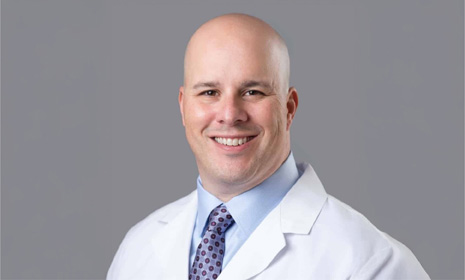
Andre Cohen, M.D.
Ophthalmologist -

Allison Dublin, M.D.
Ophthalmologist -

Ravali Gummi, M.D.
Ophthalmologist -

Charles Ho, M.D.
Ophthalmologist -

Shunai Jiang, M.D., Ph.D.
Ophthalmologist -

Abigail Kalish, M.D.
Ophthalmologist -

Rebecca Li, M.D.
Ophthalmologist -

Mark Morel, M.D.
Ophthalmologist -
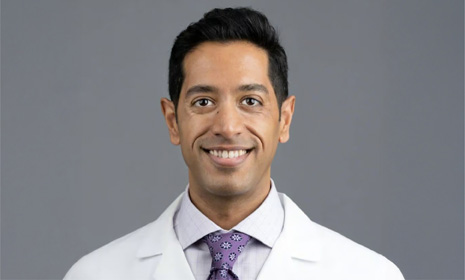
Puneet Panda, M.D.
Ophthalmologist -

Barbara Smith, M.D.
Ophthalmologist -

Bryan Thiel, M.D.
Ophthalmologist -

Justin Wilkin, M.D.
Ophthalmologist -

Ramsey Yusuf, M.D.
Ophthalmologist